
Last Day on Earth: Survival
KEFIRAction
4.4177.35K Reviews
- Version
- 1.51.1
- Installs
- 100.00M
- Age Rating
- Teen
Screenshots
Our Review of Last Day on Earth: Survival
 Analysis by Appyee
I was drawn to this game by the appeal of building a life from scraps, but what kept me interested was how often a small choice changes the shape of a trip. Last Day on Earth: Survival is an action game from KEFIR, built around gathering, crafting, exploration, and danger from the undead. I find it works best when I treat each outing as a plan with a clear purpose, rather than expecting every session to deliver a big fight or a dramatic discovery.
Where new players tend to get stuck
The early loop is easy to understand, but it can still feel demanding: collect materials, make useful gear, and decide what is worth taking with you. A common source of frustration is trying to do too much in one trip. If I leave without a simple goal, I can spend time picking up materials that do not help with the immediate task, then find my carrying choices awkward when a threat appears.
I recommend deciding what the next visit is for before setting out. If I need materials for a particular craft, I focus on those rather than treating every resource as equally valuable. If I am exploring, I leave room to adapt instead of filling my inventory immediately. This small habit makes the survival loop feel more deliberate and helps reduce the sense that progress is just endless collecting.
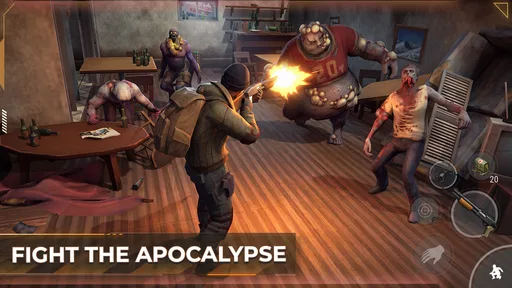
Combat also rewards patience more than bravado. Rushing toward every enemy can turn a manageable encounter into a costly mistake, especially when I have brought equipment I would rather not lose. I watch how a situation develops and avoid picking unnecessary fights. The game is more satisfying when I treat retreat or a change of route as a sensible decision, not a failure.
Setup checks and a steadier routine
The controls are straightforward once movement and action buttons become familiar, but I would not expect the first few minutes to feel perfectly smooth. Before a longer outing, I take a moment to check that I can move, interact, and manage my inventory comfortably on my device. A little familiarity with the interface matters because hesitation during a tense moment can be more costly than choosing a less-than-perfect item.
It also helps to make the base a practical staging point. I sort what I have gathered, look at what I am trying to craft next, and avoid carrying supplies away without a reason. When I have a spare moment, I prepare for the next session rather than starting a trip at random. That routine turns short visits into useful progress and makes it easier to return after a break.
The game is free to download, with optional in-app purchases ranging from $0.49 to $199.99 per item. I would approach those purchases cautiously: first learn which parts of the regular loop you enjoy, then decide whether paying fits your own habits. Survival games often make convenience tempting when progress slows, but spending is not a substitute for planning your trips or learning when to avoid a fight.
Making each session count
One realistic way I would fit this game into an ordinary day is to use a short session to check the base, organize supplies, and choose one objective for the next outing. Later, when I have more time, I can focus on exploration without repeatedly stopping to rethink what I should be carrying. That division gives the game a satisfying rhythm while keeping its resource management from taking over every spare minute.
Getting Started: The Basics
So, you start off in the middle of nowhere, literally. Your task? To survive, obviously! But don’t worry, the game eases you in gently. You’ll begin by gathering resources like wood and stone. These are essential for crafting tools and building your very first shelter. Trust me, you’ll be needing those walls when night falls.
The controls are pretty intuitive. You’ve got a virtual joystick for movement and a bunch of buttons for actions like attacking and gathering. It might seem like a lot at first, but once you get the hang of it, you’ll be slaying zombies like a pro.
The Joy of Crafting
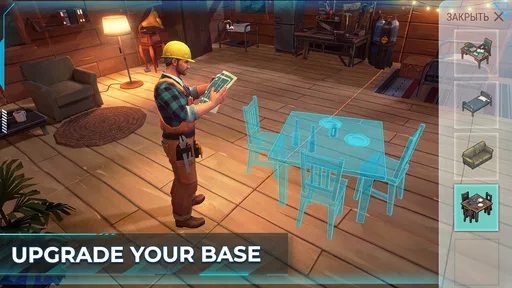
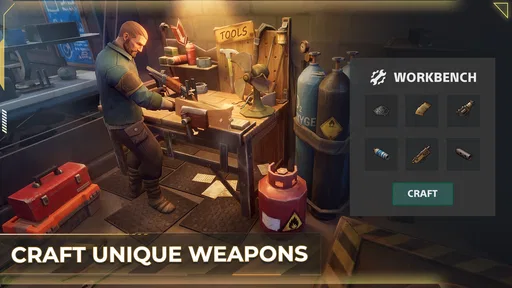
Crafting is the name of the game here. You’ll be creating everything from weapons to clothing and even your own base. The crafting system is seamless and super satisfying. There’s nothing quite like the feeling of crafting your first weapon and knowing you’re ready to face whatever the game throws at you.
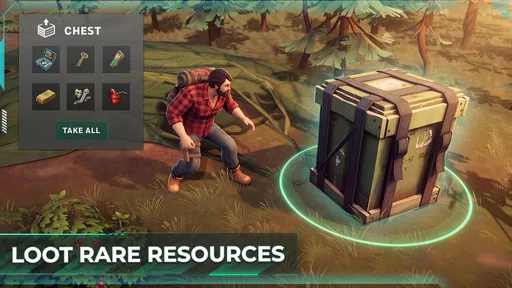
Resource management is key. You’ll have to keep an eye on your inventory and prioritize what to carry. It’s all about strategy, folks! Do you bring more food or weapons? It’s these little decisions that keep you on your toes.
Facing the Undead
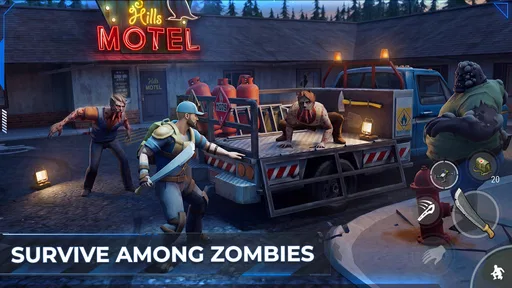
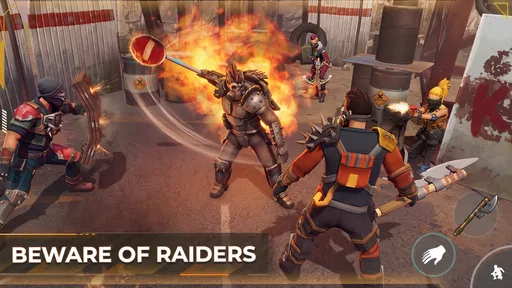
Ah, the zombies. These guys won’t be winning any beauty contests, that’s for sure. They come in all shapes and sizes, each with their own challenges. Some are slow and easy to take down, while others will make you break into a sweat. The combat is straightforward, but don’t let your guard down, or you’ll be zombie chow in no time.
But wait, there’s more! You’re not just battling the undead. Other players can invade your base, so you better be prepared. This feature adds a layer of excitement and unpredictability that keeps the game fresh and engaging.
Exploration and Adventure
The world of Last Day on Earth: Survival is vast and full of surprises. From abandoned military bases to mysterious forests, there’s a lot to explore. Each location has its own set of resources and dangers, so plan your trips wisely.
One of the coolest things is the ability to join clans. Teaming up with other players can be a game-changer, especially when tackling harder areas. Plus, it’s a great way to make friends and share resources. Who knew surviving a zombie apocalypse could be so social?
The Grind and the Glory
Like any good survival game, there’s a bit of grind involved. You’ll find yourself gathering resources and crafting items repeatedly. But honestly, it’s all part of the charm. The sense of achievement you get from building a fully fortified base or crafting a rare weapon is well worth the effort.
And let’s not forget the events! The game regularly features special events that offer unique challenges and rewards. It’s a great way to break the routine and snag some cool loot.
Who will enjoy the slower survival loop
I think this is a strong fit for players who like turning modest supplies into a working base and can enjoy incremental progress. It gives each material a practical role: a resource gathered on one visit can become a tool, clothing, or part of a home on another. That connection between exploring and crafting is the game’s main appeal for me. It feels especially rewarding if you like planning and gradually improving a place, rather than being handed a constant sequence of action set pieces.
It is less suitable if you want a purely fast-paced action game, a short campaign with a clear finish, or a relaxed experience where mistakes carry little weight. The repeated gathering is not a side activity; it is the foundation of the loop. Players who dislike inventory decisions or returning to familiar tasks may find the pace tiring. I would also think twice if the possibility of losing valuable equipment makes every risky outing stressful rather than exciting.
How it differs from other action games
Compared with a conventional zombie shooter, this puts more emphasis on what happens before and after a fight. Choosing what to carry, deciding whether a location is worth the risk, and bringing useful materials back to the base can matter as much as aiming or attacking. If I want uninterrupted combat, a more direct action game is a better fit. Here, the tension comes from balancing the possible reward against what I have already invested in the trip.
It also has a different rhythm from survival games that focus mainly on open-ended building. The base matters, but it is tied to gathering and preparation beyond its walls. I enjoy that outward pull, though it means a player hoping to spend most of the time decorating or building without danger may prefer a gentler alternative. The mix of solo planning, hostile locations, and interaction with other players gives it a more exposed feeling than a private crafting sandbox.
Recovering after a rough outing
When a trip goes badly, I find it more useful to pause and reassess than to repeat the same route immediately. Check what remains at the base, identify the item or material that would make the next attempt safer, and set a smaller objective. If I lost useful gear or came home with little, a basic supply run can be a better recovery step than trying to tackle a difficult area again while underprepared.
I also avoid treating every event or destination as mandatory. The game’s changing challenges can add variety, but a limited session does not have to become a race to do everything. Returning to a reliable routine can rebuild confidence and supplies. That is a practical way to keep the grind from turning into frustration, especially when I only have time for a brief visit.
When a problem may be outside the game
If the controls feel unreliable or a session does not behave as expected, I start with simple checks rather than assuming the game itself is at fault. I make sure the device is responding normally, close other demanding tasks if performance feels strained, and confirm that the game is up to date. The current version is 1.45.0, and it requires Android 7.0 or later; those details are useful when checking whether an older device can run it comfortably.
For an interruption, I would first check the connection and try again when it is stable, particularly before committing to a longer session. I avoid repeatedly tapping buttons when the screen seems delayed, since that can make it harder to tell whether an action registered. If an issue persists after basic checks, restarting the game and device is a sensible first step. These are general troubleshooting habits, not a promise that every problem has the same cause.
Age, audience, and a practical verdict
The game is rated Teen, and its setting includes combat with zombies and the threat of other players. I would keep that tone in mind when deciding whether it suits a younger player or someone who prefers nonviolent games. Its popularity is substantial, with an average rating of 4.4 from around 4.7 million ratings and over 100 million installs, but those figures do not tell you whether its particular mix of pressure and repetition will suit your taste.
KEFIR released it on May 24, 2017, and it remains a free-to-play action game with optional purchases. I would not let its broad reach persuade me to spend before I know how I feel about the routine. Try the basic loop, notice whether planning a trip is enjoyable or tedious, and decide from there. For someone who likes making cautious progress through a hostile world, the combination can be absorbing; for someone who wants immediate action and little preparation, it can feel like work.
In conclusion, Last Day on Earth: Survival offers a thrilling and immersive experience that’s hard to put down. Whether you’re a fan of zombie games or just looking for a new challenge, this game has something for everyone. So, gear up, gather your wits, and dive into this post-apocalyptic adventure. Just remember, if the zombies don’t get you, the other players might!
Verdict
Strengths of Last Day on Earth: Survival
- Immersive gameplay with realistic survival mechanics.
- Frequent updates and events keep the game fresh.
- Engaging community with active online participation.
- Diverse crafting system with numerous items.
- Challenging combat with various weapons.
Limitations of Last Day on Earth: Survival
- Requires consistent internet connection to play.
- In-app purchases can be quite expensive.
- Resource gathering can become repetitive.
- Limited energy restricts long play sessions.
- Can be difficult for beginners to progress.
Similar Picks in This Category
View All
Temple Run 2: Endless Escape
Imangi Studios4.1

PUBG MOBILE
Level Infinite4.3

Free Fire: 9th Anniversary
GARENA INTERNATIONAL I4.4

Talking Tom: Hero Dash Run
Outfit7 Limited4.3

slither.io
Lowtech Studios3.9

Sniper 3D:Gun Shooting Games
Wildlife Studios4.6
You May Also Like
View All
Frequently Asked Questions
What is the main objective of Last Day on Earth: Survival?
Last Day on Earth: Survival is a post-apocalyptic survival game where players must gather resources, build shelter, and fend off zombies. The primary goal is to survive as long as possible while exploring the game's world, crafting weapons, and forming alliances with other players to withstand the harsh environment.
Is Last Day on Earth: Survival free to play?
Yes, Last Day on Earth: Survival is free to download and play on both Android and iOS platforms. However, the game offers in-app purchases that can enhance the gameplay experience, such as purchasing coins or special packs that provide resources, weapons, or other advantages to help you survive longer.
How does multiplayer work in Last Day on Earth: Survival?
Multiplayer in Last Day on Earth: Survival allows players to interact with each other, either through cooperative gameplay or PvP battles. Players can join clans to collaborate on missions, share resources, and defend against zombie hordes. Regular events also encourage player interaction, making multiplayer a key component of the game.
What devices are compatible with Last Day on Earth: Survival?
Last Day on Earth: Survival is compatible with a wide range of devices. For Android, it requires version 5.0 or higher, while iOS devices need iOS 9.0 or later. It’s advisable to have a device with decent processing power and available storage to ensure smooth gameplay, as the game is resource-intensive.
Are there any tips for beginners in Last Day on Earth: Survival?
For beginners, it’s crucial to focus on resource gathering and crafting early on. Prioritize building a basic shelter and crafting essential tools and weapons. Avoid engaging with stronger enemies until adequately prepared. Regularly check for in-game events and join a clan to gain access to shared resources and support.
Play our best games!


